
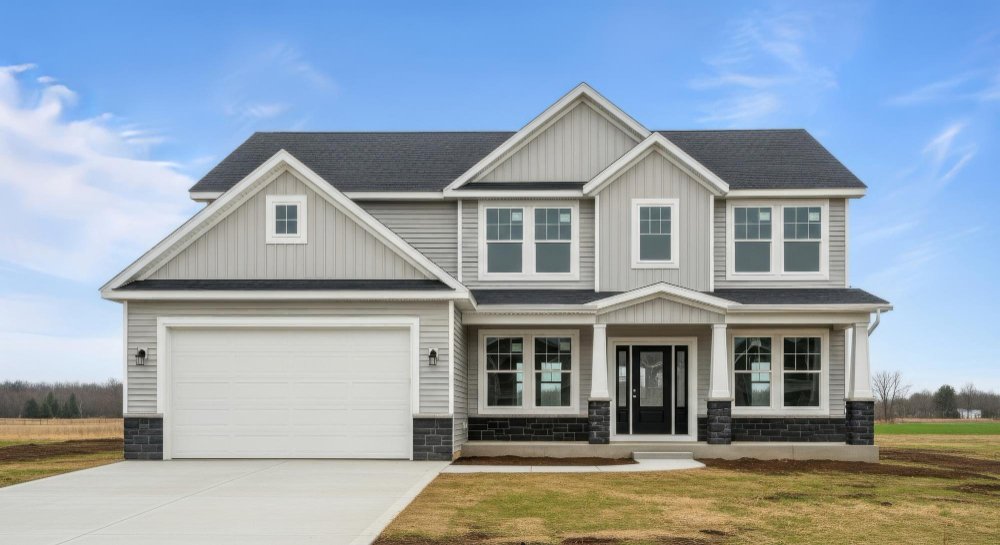
Replacing your home’s siding is one of the most significant exterior remodeling projects you can undertake. New siding doesn’t simply refresh curb appeal—it also helps protect your home from moisture, weather, pests, and everyday wear while contributing to long-term durability and value.
One of the first questions homeowners ask is, “How much does it cost to side a house?” The answer isn’t as straightforward as quoting a single number. Every home is different, and project costs depend on a variety of factors ranging from material selection to labor requirements and the condition of the existing exterior.
The frequently asked questions below explain the key factors that influence siding costs and help you understand what to expect before requesting estimates.
What Factors Affect the Cost to Side a House?
Q: Why do siding estimates vary so much from one contractor to another?
A: Every siding project is unique. While two homes may appear similar from the street, differences in size, layout, materials, and existing conditions can significantly affect the total project cost.
The largest cost factors typically include:
- Overall square footage of the home’s exterior.
- Number of stories.
- Selected siding material.
- Removal and disposal of existing siding.
- Labor costs in your region.
- Exterior trim and finishing details.
- Repairs to sheathing or framing if damage is discovered.
Homes with multiple rooflines, dormers, bay windows, decorative trim, or complex architectural features generally require more labor than simple rectangular structures. Additional cutting, fitting, and finishing naturally increase installation time.
Geographic location also influences pricing. Labor rates, material availability, local building codes, and permit requirements vary considerably from one region to another.
Quick Summary
- ✓ Home size significantly influences project cost.
- ✓ Material selection affects both installation and long-term ownership expenses.
- ✓ Labor costs vary by location and project complexity.
Which Siding Material Is the Most Affordable?
Q: Which siding material usually offers the lowest upfront cost?
A: Vinyl siding is commonly among the most budget-friendly siding materials available. It offers relatively low maintenance, numerous color choices, and a straightforward installation process, making it a popular choice for many homeowners.
However, selecting siding based solely on initial price can be misleading. Long-term maintenance, durability, expected lifespan, and repair costs all contribute to the total cost of ownership.
Each siding material offers a different balance of benefits:
- Vinyl siding — Affordable, low maintenance, and available in many styles.
- Fiber cement siding — Durable, fire resistant, and capable of closely resembling painted wood.
- Engineered wood siding — Combines the appearance of wood with enhanced durability and moisture resistance.
- Natural wood siding — Timeless appearance with excellent customization but typically requires regular maintenance.
- Metal siding — Long-lasting and highly durable, particularly for certain architectural styles.
Q: Does choosing the least expensive material always save money?
A: Not necessarily. A lower installation cost may be offset by higher maintenance requirements, repainting, repairs, or a shorter service life. Conversely, materials with a higher upfront investment may provide greater durability and require less maintenance over many years.
When comparing siding options, it’s helpful to think beyond installation costs and evaluate how each material aligns with your home’s architecture, local climate, maintenance preferences, and long-term ownership plans.
By considering the complete lifecycle of the exterior—not simply the initial estimate—you’ll be better prepared to choose a siding system that delivers lasting value as well as attractive curb appeal.
What Hidden Costs Should Homeowners Expect?
Q: Are there expenses that homeowners often overlook when budgeting for new siding?
A: Yes. While the siding material itself is a major part of the project, it’s rarely the only cost involved. Once the existing siding is removed, contractors may discover conditions that require additional work before the new exterior can be installed correctly.
Some of the most common hidden costs include:
- Moisture-damaged sheathing.
- Replacement of deteriorated framing.
- Upgraded weather barriers.
- New flashing around windows and doors.
- Exterior trim replacement.
- Permit fees and inspections.
- Removal and disposal of old siding materials.
These additional items aren’t necessarily unexpected—they simply can’t always be identified until demolition begins. That’s why experienced contractors often explain that final costs may change slightly if hidden structural issues are discovered during construction.
Quick Summary
- ✓ Budget for possible hidden repairs.
- ✓ Older homes may require additional preparation.
- ✓ Detailed estimates help reduce unexpected surprises.
Is Replacing Siding Worth the Investment?
Q: Replacing siding is a major expense. Is it usually worth it?
A: For many homeowners, yes. New siding does much more than improve appearance. It protects the home’s structure, helps manage moisture, and often reduces future maintenance requirements while refreshing the property’s overall look.
Depending on the material selected and the condition of the existing exterior, replacing siding may also provide benefits such as:
- Improved curb appeal.
- Better weather protection.
- Reduced maintenance compared with aging exterior materials.
- Opportunities to improve insulation during renovation.
- Greater confidence in the home’s long-term durability.
Q: Does new siding increase home value?
A: Exterior improvements are often viewed positively because they improve both appearance and protection. While the exact return varies depending on the market, new siding can make a home more attractive to prospective buyers while reducing concerns about deferred exterior maintenance.
Even homeowners with no immediate plans to sell often appreciate the everyday benefits of a clean, durable exterior that requires less ongoing upkeep.
How Can You Budget for a Siding Project?
Q: What’s the best way to prepare financially before replacing siding?
A: Begin by requesting detailed estimates from several qualified contractors. Instead of comparing only the total price, review exactly what each proposal includes. A slightly higher estimate may provide better long-term value if it includes upgraded weather barriers, higher-quality materials, or more comprehensive preparation work.
It’s also helpful to think about the project as a long-term investment rather than a one-time purchase. Material durability, maintenance requirements, warranty coverage, and expected lifespan all contribute to the total cost of ownership.
Before selecting a contractor, remember to:
- Request itemized estimates.
- Compare project scope—not just price.
- Review manufacturer warranties.
- Ask about maintenance requirements.
- Choose experienced installers with proven exterior remodeling expertise.
Q: So, how much does it cost to side a house?
A: There isn’t a universal answer because every project is unique. Home size, architectural complexity, siding material, labor rates, existing wall conditions, and local building requirements all influence the final investment.
The best way to answer how much to side a house is to evaluate your home’s specific needs and compare the complete value of each proposal—not simply the lowest price. By balancing installation costs with durability, maintenance, warranties, and long-term performance, you’ll be better positioned to choose an exterior solution that protects your home and delivers lasting value for years to come.