
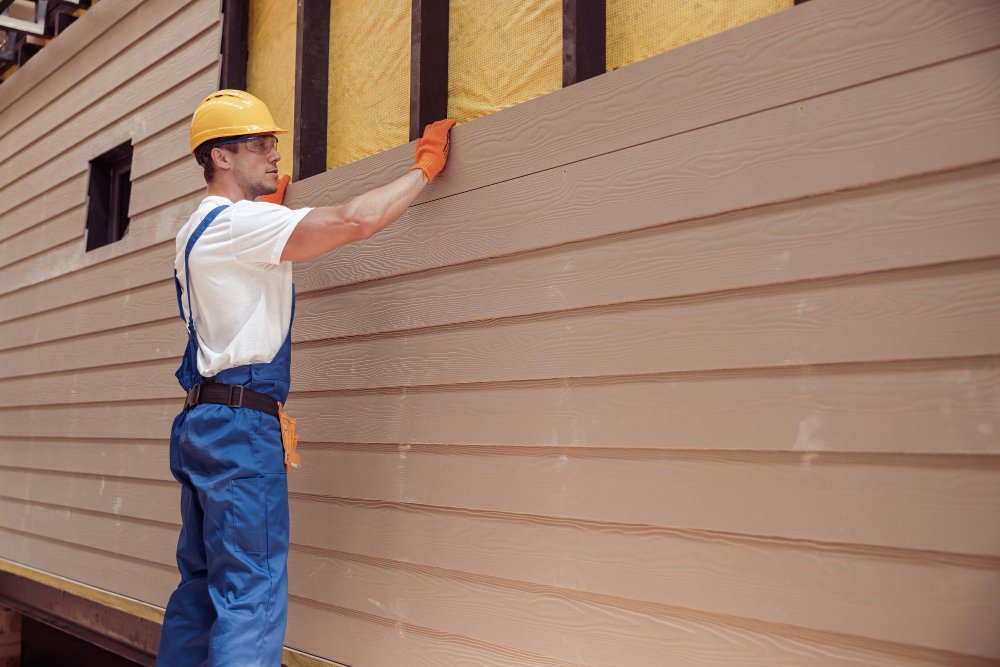
The answer is not always straightforward. While siding often has a lower upfront installation cost, stucco may provide greater longevity in certain climates. Choosing the right exterior finish requires understanding both immediate expenses and long-term ownership costs.
This guide explains the differences so homeowners can confidently make informed decisions.
Understanding Stucco
Stucco is a cement-based exterior finish applied in multiple layers over a supportive substrate.
Its Benefits Include:
- Long lifespan
- Fire resistance
- Timeless appearance
- Excellent insulation properties
Stucco is especially common in warmer climates.
Understanding Siding
Siding is a broad category that includes several materials.
Popular Options Include:
- Vinyl siding
- Fiber cement siding
- Engineered wood siding
- Natural wood siding
- Metal siding
Each material offers unique advantages.
Average Installation Costs
Initial pricing varies significantly.
Stucco Installation Costs
- $8 to $18 per square foot installed
Siding Installation Costs
- $5 to $16 per square foot installed
Material selection greatly affects total expenses.
In many cases, siding costs less upfront.
Labor Costs Explained
Labor is one of the biggest pricing factors.
Homeowners researching is stucco cheaper than siding often discover that stucco requires more labor-intensive installation.
Stucco Labor Includes:
- Multiple application layers
- Drying periods
- Specialized craftsmanship
Siding Labor Includes:
- Panel installation
- Moisture barriers
- Trim work
Siding projects usually finish faster.
Maintenance Costs Over Time
Long-term ownership expenses matter.
Stucco Maintenance
- Periodic crack repairs
- Repainting every 10 to 15 years
- Routine inspections
Siding Maintenance
- Occasional cleaning
- Minor repairs
- Repainting depending on material
Vinyl siding generally requires the least maintenance.
Climate Significantly Affects Performance
Environmental conditions should influence your decision.
Stucco Performs Best In:
- Warm climates
- Dry regions
- Areas with limited freeze-thaw cycles
Siding Performs Best In:
- Cold climates
- Wet environments
- Variable weather regions
Climate compatibility improves longevity.
Energy Efficiency Comparison
Both materials can contribute to lower utility bills.
Stucco Advantages
- Natural thermal mass
- Temperature regulation
Siding Advantages
- Foam-backed systems
- Improved insulation packages
Additional insulation upgrades enhance performance.
Which Option Lasts Longer?
Longevity is another major consideration.
Stucco Lifespan
- 50 to 80 years
Siding Lifespan
- 20 to 50 years
Maintenance habits greatly influence these numbers.
How Each Material Affects Home Value
Exterior upgrades remain attractive to buyers.
Benefits include:
- Enhanced curb appeal
- Improved weather protection
- Greater buyer confidence
- Modernized exteriors
Quality workmanship significantly affects resale potential.
Which Material Is Better for Budget-Conscious Homeowners?
The answer depends on priorities.
Choose Siding If You Want:
- Lower upfront costs
- Minimal maintenance
- Faster installation
Choose Stucco If You Want:
- Exceptional longevity
- Timeless aesthetics
- Energy efficiency
Your long-term goals should guide the decision.
Professional Installation Is Essential
Both materials require experienced contractors.
Professionals ensure:
- Proper moisture management
- Weatherproof barriers
- Code compliance
- Long-term durability
Poor installation can create expensive repairs.
Many homeowners researching stucco versus siding cost discover that installation quality often matters more than material choice alone.
Questions Homeowners Should Ask
- What is my remodeling budget?
- What climate do I live in?
- How long will I stay in this home?
- How much maintenance am I comfortable performing?
- What architectural style do I prefer?
These answers simplify planning.
Hidden Costs Homeowners Should Expect
- Permit fees
- Flashing upgrades
- Moisture barrier improvements
- Trim replacement
Budgeting for contingencies prevents surprises.
Final Thoughts
So, is stucco cheaper than siding? In many cases, siding offers lower upfront installation costs, but stucco may provide better long-term value depending on your climate and maintenance expectations.
Both materials offer substantial benefits when properly installed.
By carefully evaluating is stucco cheaper than siding before beginning your project, homeowners can choose an exterior solution that balances affordability, durability, and long-term property value.