The Shift Toward Functional Design
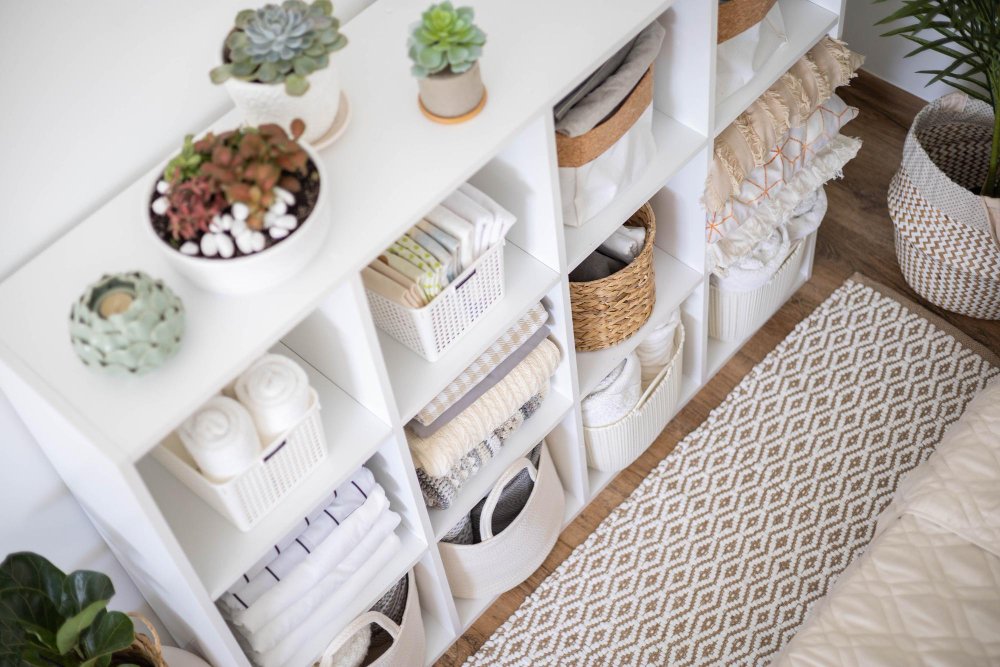
Home organization once focused on tidiness; now it’s a cornerstone of design strategy. Designers are prioritizing layout, accessibility, and user experience, ensuring every item has a purposeful place. This approach transforms chaos into calm, replacing cluttered counters and overstuffed closets with streamlined, aesthetically pleasing systems.
Organization design today mirrors the broader lifestyle trend toward minimalism and intentional living. The goal is not to own less, but to design smarter—allowing your home to serve your routines effortlessly.
Custom Storage: Designed Around You
Every household has unique needs, which is why custom storage solutions have become the gold standard of modern organization. Built-ins, wall systems, and modular cabinetry can be tailored to fit specific spaces, maximizing functionality while maintaining design cohesion.
For example, kitchens benefit from pull-out spice racks, corner carousels, and deep drawers for cookware. Bedrooms often feature wardrobe systems with adjustable shelving, jewelry drawers, and integrated lighting. Even laundry rooms and garages can be elevated with specialized cabinetry that turns utility into design harmony.
Hidden Storage for a Minimalist Look
Discreet storage solutions are key to creating uncluttered environments. Hidden compartments within walls, under benches, or behind sliding panels maintain a clean aesthetic while offering ample storage capacity. Designers are also integrating storage under staircases or within architectural niches, proving that every inch of space can serve a purpose.
In open-plan homes, these invisible systems are especially valuable—they preserve the visual flow of shared spaces while keeping daily essentials neatly tucked away.
The Role of Technology in Organization
Smart homes are extending their influence into organization. Motion-activated lighting, sensor-based closet systems, and app-controlled storage solutions are redefining convenience. Homeowners can now track inventory, automate lighting schedules, and even adjust shelving configurations digitally.
These innovations make organization more intuitive and adaptable, allowing spaces to evolve as needs change. Technology also supports sustainability by helping families monitor consumption and reduce waste.
Material and Design Trends
Modern organization design embraces materials that balance aesthetics and practicality. Natural woods, matte finishes, and soft neutral palettes dominate, creating serene backdrops that highlight craftsmanship. Textured laminates and integrated lighting bring depth and warmth, while sleek hardware in brass, black, or chrome adds refinement.
Designers are also combining open shelving with closed cabinetry for visual balance—showcasing curated décor while concealing functional items. The mix of transparency and discretion gives spaces both personality and order.
Multi-Functional Spaces: The New Standard
As homes become more dynamic, storage must keep pace. Multi-functional spaces like hybrid offices, guest rooms with Murphy beds, or pantries that double as prep kitchens are on the rise. These adaptable layouts rely heavily on clever organization to maintain efficiency and style.
Built-in furniture, fold-away desks, and modular shelving systems enable rooms to transition smoothly between uses, maximizing every square foot without sacrificing comfort or aesthetics.
Organization as a Wellness Tool
A well-organized home doesn’t just look good—it feels good. Studies show that clutter can increase stress and reduce productivity, while organized spaces promote calm and focus. Clean, cohesive environments also make maintenance easier, freeing time for rest and recreation.
For many homeowners, investing in professional organization or custom design services is as much about mental wellness as it is about functionality. A home that supports your routines contributes directly to overall well-being.
Sustainable Organization Choices
Eco-conscious homeowners are incorporating sustainability into their storage systems. Cabinets made from recycled wood, bamboo, or low-VOC materials align with environmentally friendly principles. Modular systems that can be reconfigured or expanded reduce waste by adapting to future needs rather than requiring full replacements.
By pairing sustainability with style, these designs prove that responsibility and refinement can coexist beautifully.
Working With Design Professionals
Partnering with experienced remodelers or design-build firms ensures that organizational solutions integrate seamlessly into your home’s architecture. Professionals analyze lifestyle patterns, traffic flow, and available space to design systems that support daily activities.
Visiting a Sacramento home improvement showroom provides inspiration through real-life displays of cabinetry, shelving, and hardware. Seeing options in person helps homeowners visualize how organization can elevate both beauty and usability.
Elevating Everyday Living
At its core, home organization is about creating environments that work for you—not against you. Thoughtful design allows homeowners to reclaim space, reduce stress, and enjoy a greater sense of harmony. Whether through custom cabinetry, hidden compartments, or integrated technology, modern organization transforms ordinary rooms into beautifully functional sanctuaries.
In a world where our homes serve as offices, schools, and retreats, organization isn’t just an option—it’s essential. And with today’s design innovations, achieving both order and elegance has never been more attainable.