
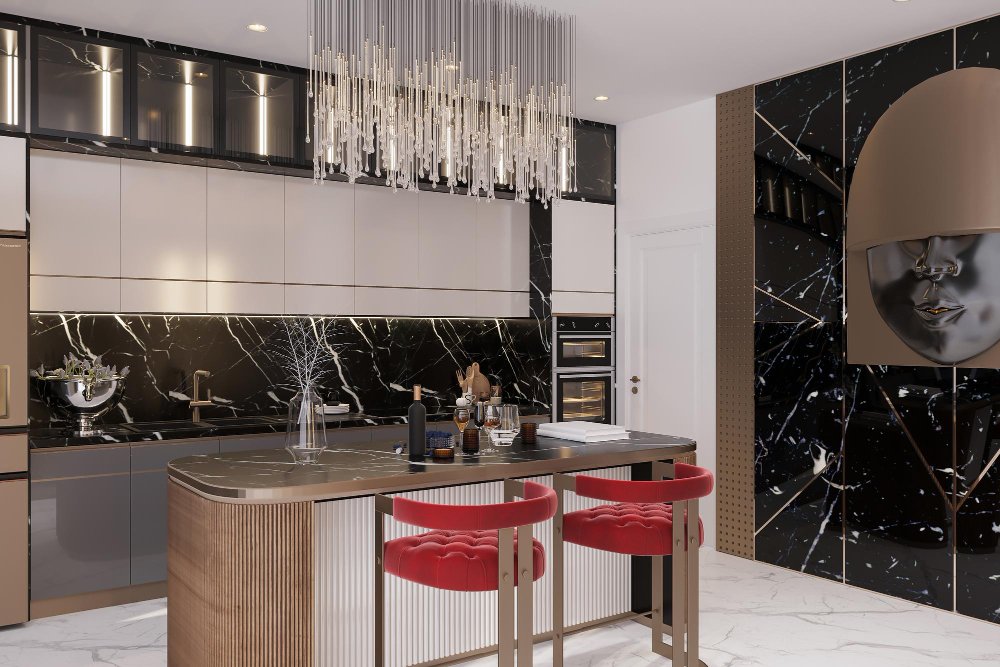
A kitchen backsplash is more than a decorative feature. It protects walls from moisture, grease, and food splashes while helping define the overall style of the kitchen. Whether you’re planning a complete remodel or simply updating your walls, professional kitchen wall tile installation can dramatically improve both functionality and appearance.
This FAQ answers the most common questions homeowners ask before investing in a new kitchen backsplash.
Frequently Asked Questions
What is the purpose of a kitchen backsplash?
A kitchen backsplash protects the wall behind countertops, sinks, and cooktops from water, grease, food stains, and everyday wear. It also serves as a design feature that ties together cabinetry, countertops, flooring, and lighting.
Quick Summary
- Protects walls from moisture and stains
- Makes cleaning easier
- Adds visual interest
- Improves kitchen value
Why should I choose professional kitchen wall tile installation?
Professional installers ensure precise tile alignment, even grout lines, proper surface preparation, and long-lasting durability. They also help avoid common installation problems such as uneven spacing, loose tiles, and moisture penetration.
Professional installation is especially important for large-format tiles, mosaic patterns, and full-height backsplash designs.
Which tile materials work best for a kitchen backsplash?
Several materials perform well depending on your design goals and maintenance preferences.
- Ceramic tile
- Porcelain tile
- Glass tile
- Natural stone
- Marble-look porcelain
- Subway tile
Ceramic and porcelain remain the most popular choices because they combine durability, affordability, and easy maintenance.
Should the backsplash match the countertop?
Not necessarily. Many modern kitchens use complementary colors rather than identical materials.
A successful design typically balances:
- Countertop color
- Cabinet finish
- Flooring
- Lighting
- Overall architectural style
The goal is visual harmony rather than perfect matching.
How high should a kitchen backsplash be installed?
The installation height depends on the kitchen layout and design style.
Common options include:
- 4-inch backsplash
- Countertop to upper cabinets
- Full-height wall installation
- Countertop to ceiling behind the range
Full-height backsplashes have become increasingly popular because they create a seamless, modern appearance.
Are kitchen backsplashes easy to clean?
Yes. Modern tile surfaces are designed for simple maintenance.
Routine care usually includes:
- Warm water
- Mild household cleaner
- Soft microfiber cloth
Porcelain and ceramic tiles require very little maintenance, making them excellent choices for busy households.
Can a backsplash increase home value?
While a backsplash alone won’t determine resale value, it contributes to a kitchen’s overall appearance and buyer appeal.
Modern kitchens featuring professionally installed tile backsplashes often feel:
- More updated
- Cleaner
- More luxurious
- Better maintained
These qualities can positively influence buyer perception.
What backsplash styles are currently popular?
Current kitchen design trends focus on clean lines and timeless materials.
Popular options include:
- Large-format porcelain tile
- Subway tile with contrasting grout
- Natural stone textures
- Matte finishes
- Marble-look surfaces
- Full-height slab backsplashes
Neutral colors such as white, warm gray, beige, and soft earth tones continue to dominate contemporary kitchen design.
How long does kitchen wall tile installation take?
Most standard backsplash projects can be completed within one to three days, depending on:
- Kitchen size
- Tile type
- Pattern complexity
- Surface preparation requirements
Custom layouts or intricate mosaics may require additional installation time.
Is replacing an old backsplash worth the investment?
Yes. Replacing an outdated backsplash is one of the most cost-effective kitchen upgrades available.
Benefits include:
- Improved wall protection
- Easier maintenance
- Modern appearance
- Better coordination with new countertops and cabinets
- Enhanced long-term home appeal
Conclusion
A professionally installed kitchen backsplash does far more than protect your walls. It enhances the kitchen’s style, simplifies maintenance, improves durability, and creates a cohesive design that complements the rest of the home. Whether you prefer classic subway tile, contemporary large-format porcelain, or decorative mosaic accents, expert kitchen wall tile installation ensures lasting beauty and dependable performance for years to come.