
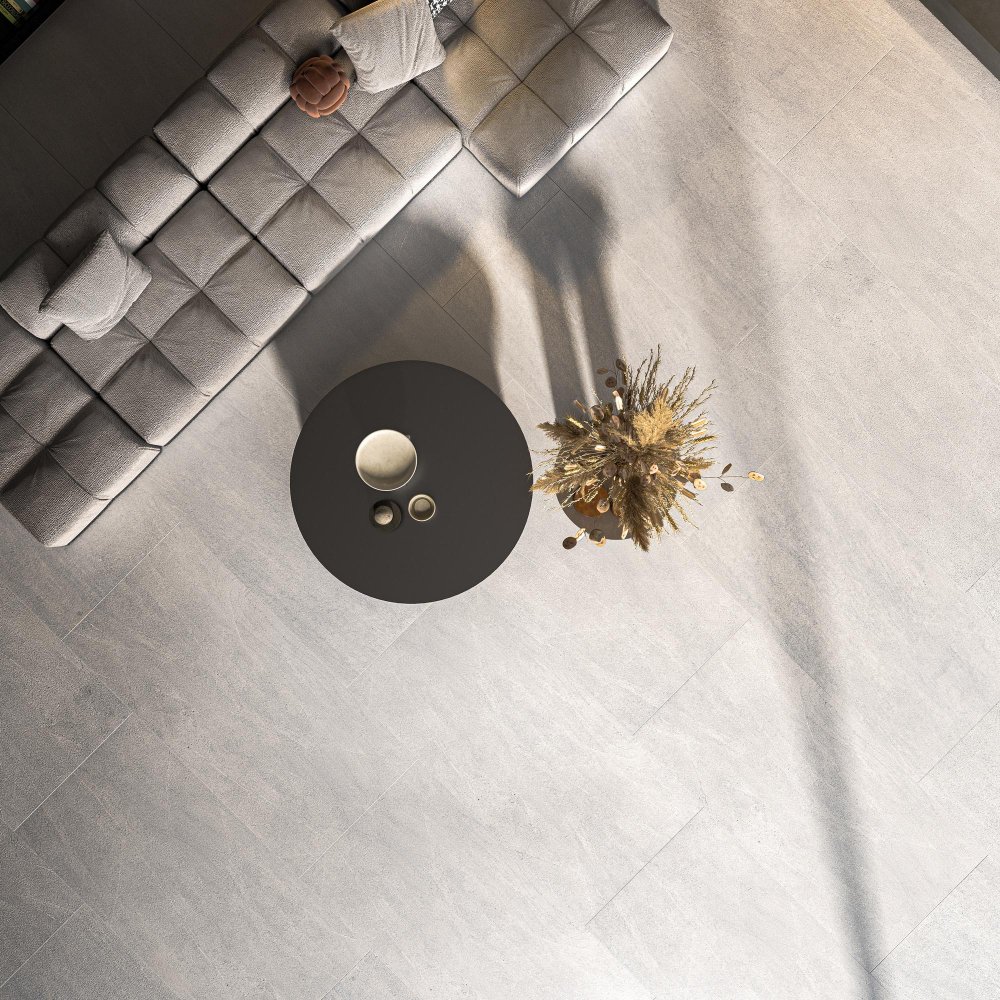
Why Tile Remains a Design Favorite
For centuries, tile has been used to bring elegance, pattern, and practicality to homes. Its resilience against moisture, scratches, and wear makes it ideal for high-traffic areas like kitchens, bathrooms, and entryways. Beyond durability, tile offers limitless creative potential—allowing homeowners to express their personalities through pattern, color, and layout.
Whether you favor sleek modern designs or intricate mosaics, tile adapts effortlessly to any architectural style. It’s as comfortable in a minimalist loft as it is in a Mediterranean villa.
Material Diversity: A Foundation of Choice
One of tile’s greatest strengths lies in its variety. Homeowners can select from a wide range of materials, each offering distinct aesthetics and functional benefits:
- Ceramic: Affordable, easy to maintain, and available in countless colors and finishes.
- Porcelain: Denser and more water-resistant than ceramic, perfect for both indoor and outdoor use.
- Natural Stone: Includes marble, travertine, slate, and granite—each bringing unique texture and luxury.
- Glass: Reflective and luminous, ideal for decorative applications and accent walls.
- Terracotta: Earthy and warm, often used to achieve rustic or traditional charm.
This diversity ensures that every home can find a tile solution that fits its style, budget, and lifestyle.
Designing With Tile: Where Art Meets Architecture
Tile flooring plays a pivotal role in defining a room’s atmosphere. Large-format tiles create a sense of openness, while patterned or textured options add dimension and visual interest. The right grout color can either unify or contrast your tiles, subtly altering the overall aesthetic.
For homeowners seeking a seamless look, rectified-edge tiles and narrow grout joints produce smooth, contemporary surfaces. Meanwhile, bold geometric patterns or herringbone layouts add energy and personality to otherwise simple rooms.
Balancing Beauty and Practicality
Tile’s design flexibility doesn’t come at the expense of practicality. Its hard surface resists stains, allergens, and moisture—making it one of the most hygienic flooring choices available. Proper installation and sealing ensure long-term performance, even in humid environments like bathrooms or kitchens.
Underfloor heating systems pair beautifully with tile, adding warmth and comfort underfoot without compromising durability. Combined, these features make tile both luxurious and livable.
Color, Texture, and Mood
The psychology of color plays a vital role in flooring selection. Light tiles can visually expand small spaces, while darker tones add depth and coziness. Matte finishes evoke sophistication, whereas glossy tiles reflect light to create vibrancy.
Natural textures—like stone or wood-look porcelain—introduce organic character and warmth. Homeowners can blend textures strategically, using subtle contrasts to define zones or enhance visual flow in open-concept layouts.
Sustainability and Innovation in Tile Design
Tile manufacturing has evolved dramatically over the past decade. Modern production methods emphasize sustainability, using recycled materials and energy-efficient kilns. Many manufacturers now produce tiles with recycled content or source clays locally to reduce environmental impact.
Technological advances also allow for high-definition printing on porcelain, replicating the appearance of wood, marble, or concrete with remarkable realism. This innovation gives homeowners access to the beauty of natural materials without the associated maintenance or cost.
Installation Excellence: The Key to Lasting Results
Even the finest tile will underperform if installed improperly. Professional installation ensures correct alignment, spacing, and subfloor preparation—critical to preventing cracks or uneven surfaces. Experienced remodelers also recommend using high-quality adhesives and grout designed for your tile type and environment.
Proper underlayment and moisture barriers are essential for wet areas. A skilled team can also advise on transitions between flooring materials, ensuring both durability and aesthetic continuity.
Tile Beyond the Floor
While tile is synonymous with flooring, its potential extends far beyond. Many designers use tile for accent walls, fireplace surrounds, and even ceilings. These applications introduce texture and visual drama while maintaining easy maintenance.
Combining tile flooring with matching wall treatments can create a cohesive spa-like atmosphere in bathrooms or a striking contemporary statement in kitchens and entryways.
Maintenance for Long-Term Beauty
Tile’s low-maintenance nature is one of its greatest benefits. Routine sweeping and occasional mopping with pH-neutral cleaners keep surfaces spotless. Sealing grout lines every few years prevents staining and discoloration, preserving that “newly installed” look for decades.
Unlike hardwood or carpet, tile doesn’t require refinishing or replacement due to wear. This makes it a cost-effective investment for homeowners seeking longevity and style.
Creating Cohesion Throughout the Home
To achieve design harmony, many remodelers recommend using tile to visually connect adjacent spaces. Coordinating tile colors or patterns between rooms creates smooth transitions, enhancing the home’s overall flow. Accent borders, mosaics, or inlays can differentiate zones while maintaining continuity.
When paired with complementary cabinetry, countertops, and lighting, tile flooring becomes a design feature that unites the home’s aesthetic story from room to room.
Timeless Design Beneath Your Feet
Few materials offer the blend of artistry, performance, and versatility that tile does. It has stood the test of time for a reason—combining form and function in perfect balance. Whether you’re aiming for a sleek modern feel or a rustic retreat, tile allows you to shape the mood and rhythm of your home with precision and creativity.
Ultimately, flooring isn’t just what you walk on—it’s what grounds your style, enhances your comfort, and defines your living experience for years to come.