
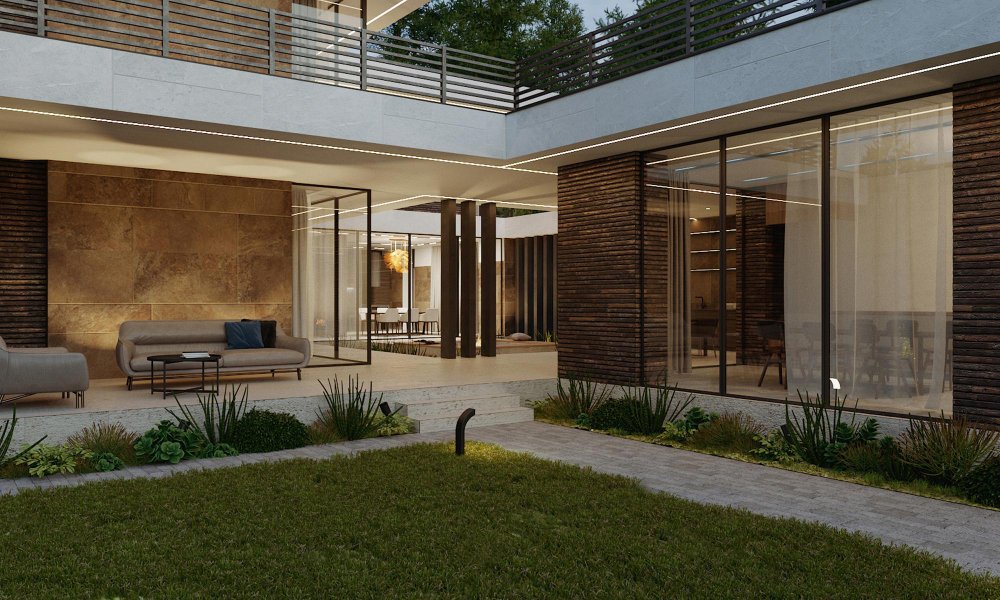
The Evolution of Exterior Design
For decades, exterior design revolved around symmetry and uniformity. But today’s homes embrace individuality. Homeowners are blending classic architectural features with contemporary materials, mixing natural and manufactured textures for visual contrast. The result is a layered aesthetic that feels intentional, dynamic, and authentic.
Modern exteriors also emphasize proportion, natural light, and environmental harmony. Large windows, mixed materials, and clean lines work together to balance function with artistry, reflecting the homeowner’s personality and lifestyle.
Key Elements of Modern Exterior Style
- Material Diversity: Combining wood, stone, metal, and fiber cement siding adds depth and texture.
- Bold Geometry: Clean rooflines, angular details, and structured forms define modern homes.
- Natural Light: Oversized windows and glass doors enhance connection with the outdoors.
- Color Balance: Neutral tones with bold accents create sophistication and visual interest.
- Minimal Detailing: Simple trim and seamless transitions highlight material quality.
Each element contributes to a unified design language where simplicity and craftsmanship take center stage.
Material Innovation: Blending Tradition and Technology
Exterior materials have come a long way from traditional stucco and brick. New technologies have introduced siding, decking, and cladding products that combine durability with design flexibility. Fiber cement, metal panels, and engineered wood products offer a sleek appearance while resisting weather and wear.
These innovations empower homeowners to achieve the visual warmth of natural materials without the upkeep. The goal is to maintain long-term beauty while minimizing maintenance costs and environmental impact.
Texture and Contrast: The Secret to Curb Appeal
One of the most defining traits of modern exteriors is the play of texture. Smooth and rough finishes, matte and glossy surfaces, light and dark tones—all work together to create dynamic façades. Contrasting materials, such as metal against wood or stone paired with fiber cement panels, bring depth and sophistication.
Even subtle changes in texture—like vertical vs. horizontal siding—can dramatically influence the home’s perception. These details give the exterior architectural rhythm and visual intrigue.
Color Palettes That Endure
Contemporary homeowners favor muted, earthy palettes with carefully chosen accents. Shades of gray, white, beige, and soft black provide timeless appeal, while accents in natural wood or bold color add personality. The use of monochromatic tones also allows material textures to shine without overwhelming the eye.
Designers often encourage a “less is more” approach, using color as a unifying backdrop rather than a focal point. This philosophy ensures the exterior remains elegant and adaptable as trends evolve.
Sustainability and Smart Design
Environmental consciousness plays an increasingly important role in modern exterior design. Homeowners are choosing sustainable materials and energy-efficient systems that reduce environmental impact while improving comfort. Features like solar-ready roofing, energy-efficient windows, and insulated siding provide both performance and peace of mind.
In Sacramento and similar climates, drought-resistant landscaping and permeable driveways complement eco-friendly exteriors, creating harmony between home and environment.
Lighting as Architectural Art
Exterior lighting goes beyond security—it’s an essential design element that enhances form and mood. Strategically placed fixtures highlight architectural details, pathways, and landscaping, creating depth after sunset. Modern designs incorporate recessed lighting, LED strips, and wall sconces to accentuate textures and materials.
Thoughtful illumination transforms a home’s exterior into a living sculpture, blending beauty with practicality.
Framing the Entryway
The entryway serves as the focal point of curb appeal. Designers are using bold doors, glass sidelights, and architectural canopies to make entrances both welcoming and memorable. Natural wood tones contrast beautifully with sleek metal or matte black finishes, adding drama while maintaining warmth.
Landscaping and hardscaping complement these entry designs. Pavers, planters, and pathways guide the eye and create a sense of flow between architecture and nature.
Maintaining Modern Exteriors
Durability and ease of maintenance are top priorities in modern exterior design. Materials like fiber cement siding and engineered wood resist moisture, pests, and warping. Regular inspections, gentle washing, and prompt touch-ups ensure your home continues to look as impressive as the day it was finished.
Professionals recommend periodic resealing for decks, repainting every 8–10 years, and routine gutter cleaning to protect both structure and appearance. Preventive care keeps the exterior vibrant for decades.
Partnering With Design-Build Professionals
Collaborating with a professional design-build team ensures that your exterior transformation is cohesive, compliant, and long-lasting. Experts balance design vision with structural integrity, helping homeowners select the best materials for local climate and maintenance preferences.
Visiting a Sacramento home improvement showroom provides valuable insight into siding options, trim finishes, and window styles. Seeing materials in person helps you make informed decisions that align with your aesthetic and budget goals.
The New Definition of Curb Appeal
Modern exterior design is about authenticity and balance—embracing both beauty and practicality. With innovative materials, sustainable solutions, and refined detailing, today’s homes achieve a level of sophistication once reserved for high-end architecture.
By blending clean lines, timeless colors, and thoughtful textures, homeowners can create exteriors that not only turn heads but also stand the test of time. The result is more than just curb appeal—it’s a reflection of who you are and how you live.