
The Meaning of a Modern Renovation
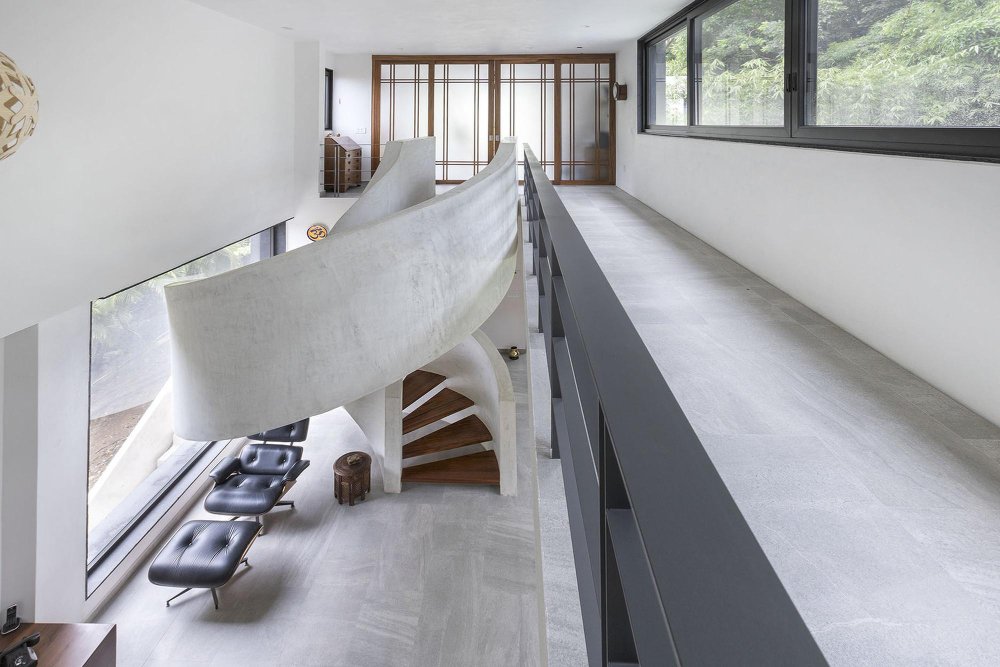
Renovation once meant simply repairing or replacing old elements. Today, it’s a holistic process that blends architecture, design, and technology to enhance the quality of life. Homeowners aren’t just looking for cosmetic upgrades—they’re seeking transformation. That might mean turning unused space into a home office, opening up floor plans, or integrating smart systems that simplify daily routines.
Modern renovation focuses on functionality as much as form. Every change, from wall color to window placement, contributes to a more efficient, comfortable environment that reflects the homeowner’s lifestyle and values.
Balancing Tradition and Innovation
One of the greatest challenges in renovation is maintaining a home’s character while incorporating contemporary elements. Whether it’s a craftsman bungalow or a mid-century modern residence, thoughtful design honors original architecture while introducing updated comfort. This balance ensures that new improvements feel authentic rather than out of place.
Design-build professionals excel in blending these layers of history and modernity. By analyzing architectural lines, materials, and natural lighting, they ensure that the finished project tells a cohesive design story—one that celebrates both heritage and innovation.
Space Planning: The Foundation of Good Design
Every renovation begins with a plan. How you use each room defines how it should be remodeled. For example, kitchens and bathrooms require both beauty and function, while living areas benefit from open layouts that encourage connection. Space planning involves evaluating how rooms flow, where natural light enters, and which areas need structural changes.
Professionals use this insight to maximize usability without unnecessary expansion. Sometimes, simply removing a wall, reconfiguring cabinetry, or relocating a doorway can dramatically improve the home’s energy and rhythm.
Material Matters: Choosing With Purpose
Today’s renovations emphasize sustainable materials that offer both durability and environmental responsibility. Reclaimed wood, low-VOC paints, recycled glass, and energy-efficient windows are increasingly popular. These materials not only reduce environmental impact but also elevate design quality with natural texture and timeless appeal.
Homeowners can also personalize materials to reflect their tastes—sleek quartz countertops for a modern aesthetic, or warm oak flooring for a cozy feel. The key is selecting finishes that align with the overall design vision while standing up to everyday use.
Energy Efficiency and Comfort
Renovating is the perfect time to improve a home’s energy performance. Upgrading insulation, installing smart thermostats, or adding solar-ready systems reduces utility costs while increasing comfort. Even simple changes—like replacing old windows with energy-efficient models—can have a significant impact on temperature control and natural light.
Designers and remodelers now approach energy efficiency as part of the aesthetic narrative. Well-planned lighting layouts, sustainable HVAC systems, and eco-friendly appliances combine environmental responsibility with modern luxury.
Open Concept Living and Multifunctional Spaces
Open layouts remain one of the most popular renovation trends. Removing walls between kitchens, dining rooms, and living areas creates fluid spaces that encourage connection and flexibility. These designs also maximize light flow, making rooms feel larger and more inviting.
Multifunctional spaces are equally essential for modern living. Homes are now offices, classrooms, and fitness studios—all under one roof. Creative storage solutions, adaptable furniture, and built-in features help rooms transition seamlessly from one function to another.
Technology and Smart Home Integration
Modern renovations increasingly include smart technology to enhance comfort and convenience. From voice-activated lighting and security systems to app-controlled thermostats and appliances, technology offers precision and personalization. Integrating these features during renovation ensures a seamless aesthetic and efficient installation.
Smart design extends to hidden cable management, built-in charging stations, and Wi-Fi-enhanced layouts that support work-from-home and entertainment needs. These invisible upgrades future-proof the home for evolving lifestyles.
The Emotional Impact of Renovation
Beyond structure and design, renovation has emotional benefits. Restoring and updating a home often reignites a homeowner’s sense of pride and connection to their space. A well-renovated environment can improve mood, encourage social interaction, and provide daily comfort through thoughtful details.
For families, renovations are opportunities to create lasting memories—like cooking in a new kitchen, celebrating milestones in refreshed living spaces, or unwinding in a beautifully remodeled bathroom.
Partnering With Professionals
While DIY projects can handle minor upgrades, large-scale renovations benefit from professional expertise. Experienced remodelers ensure structural integrity, code compliance, and design cohesion. They also help balance vision and budget, recommending cost-effective solutions without compromising quality.
Working with a design-build firm offers additional advantages: unified communication, efficient scheduling, and creative problem-solving throughout the project. This integrated approach ensures the finished renovation meets expectations in both form and function.
Trends Shaping the Future of Home Renovations
Looking ahead, homeowners can expect renovations to prioritize wellness, sustainability, and personalization. Natural materials, calming color palettes, and biophilic design elements—like indoor plants and organic textures—will continue to dominate. Spaces will also become more adaptable, supporting hybrid lifestyles that blend work, leisure, and rest.
At its core, the modern renovation movement is about harmony: combining innovation, sustainability, and comfort in ways that make every home truly feel like home again.